“I felt uneasy with his defense of our faith. . . something didn’t feel right inside me.”
Purpose
I was riding along in a car with some colleagues of mine. We all worked together at the same architecture firm. The conversation came around to Jesus, as it often did when a certain colleagues of ours was around because he was always very intentional about sharing his faith. He was a devout conservative evangelical (- and so was I!). Someone in the car challenged our faith by pointing out that Christians do not help the poor, in fact, they seem rather to exploit and use poor people. My colleague’s response was something to the effect that poor people should get up off their lazy butts and work. Then they would not be so poor. He also defended our faith by telling them that everyone has an opportunity to choose Jesus. And so, they must not know Jesus because if they did, they would not be so miserable. I felt uneasy with his defense of our faith because I knew that poverty is often represented as a black face. And I was one of the few black people at that firm and the only one in the car at the time. I reluctantly nodded my head in agreement . . . but something didn’t feel right inside me . . .
Something inside of me knew that my acquiescence to his explanation was a cop-out. It was an easy answer because I really did not know what to do about poverty and how/if my faith intersected with those who are poor. Did God really have no compassion for those who were poor, and possibly lazy? Something about that conclusion felt hollow, - heartless even.
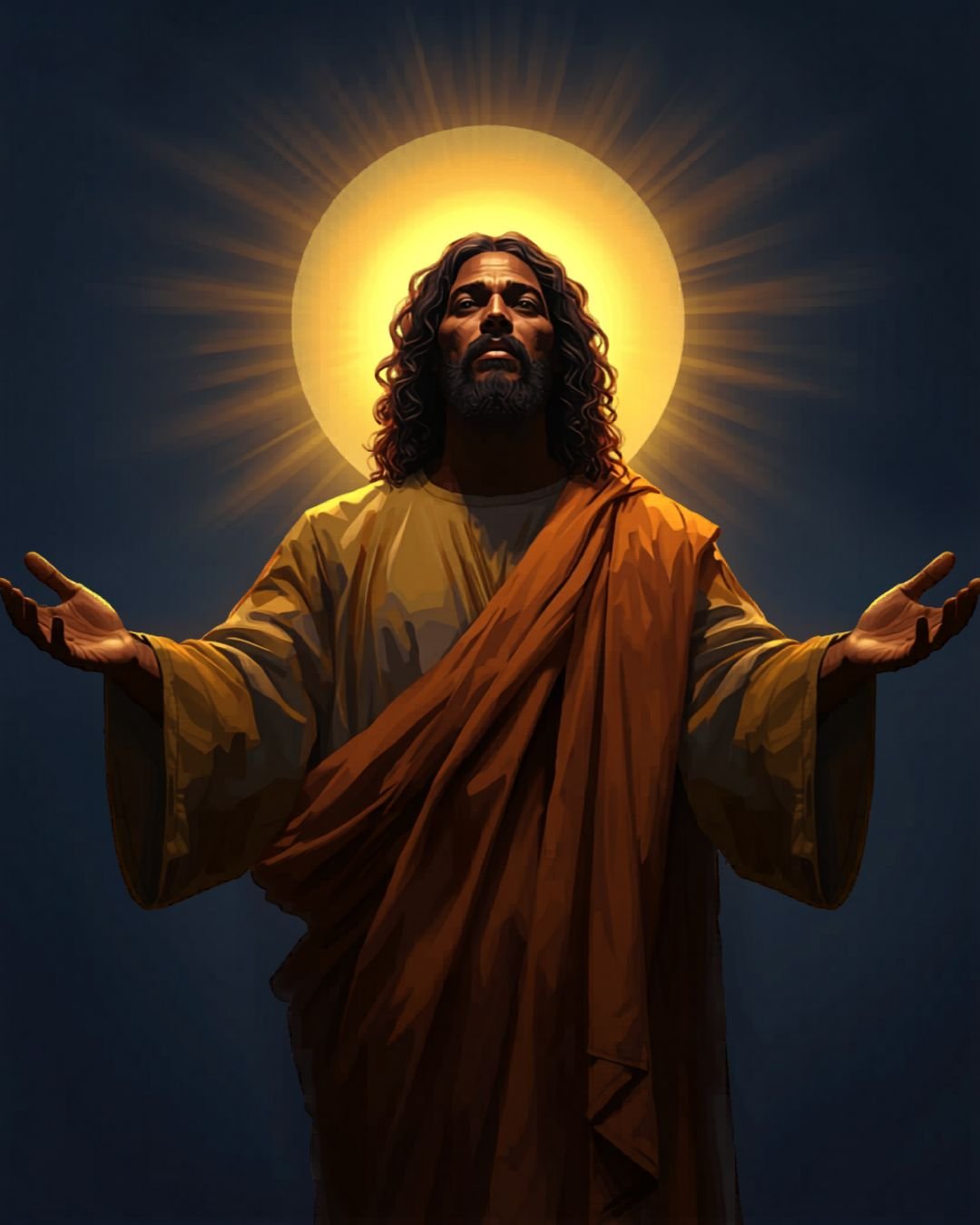
Thankfully, as I journeyed on in my faith, I came to learn that Jesus cares very deeply about the poor, so much so that he actually became born poor himself! (2 Cor 8:9). How did I miss that crucial aspect about Him in the early years of my faith?! Well - that is my purpose in launching this site and sharing my journey of recovery from conservative evangelicalism. My hope is to reach 2 groups.
1) Those souls, like my colleagues in the car, who reject Christ because of the racism of Christians, and
2) those souls, like myself at the time of that encounter, who have accepted Christ but still feel a hollowness, and they don’t want to represent a heartless Christ to the world.
Selena Johnson 〰️
My Story
〰️
Selena Johnson 〰️ My Story 〰️

We all have a unique blend of background, history, culture and experiences that shape how we view the world and the God who created it. This blend is as unique as our DNA. Each of us is of sacred worth because we are all created in God’s very own image and God has a purpose and destiny for each of us to fulfill during our time here on earth. Therefore it is important to share our stories. Here are some of mine. . .
-
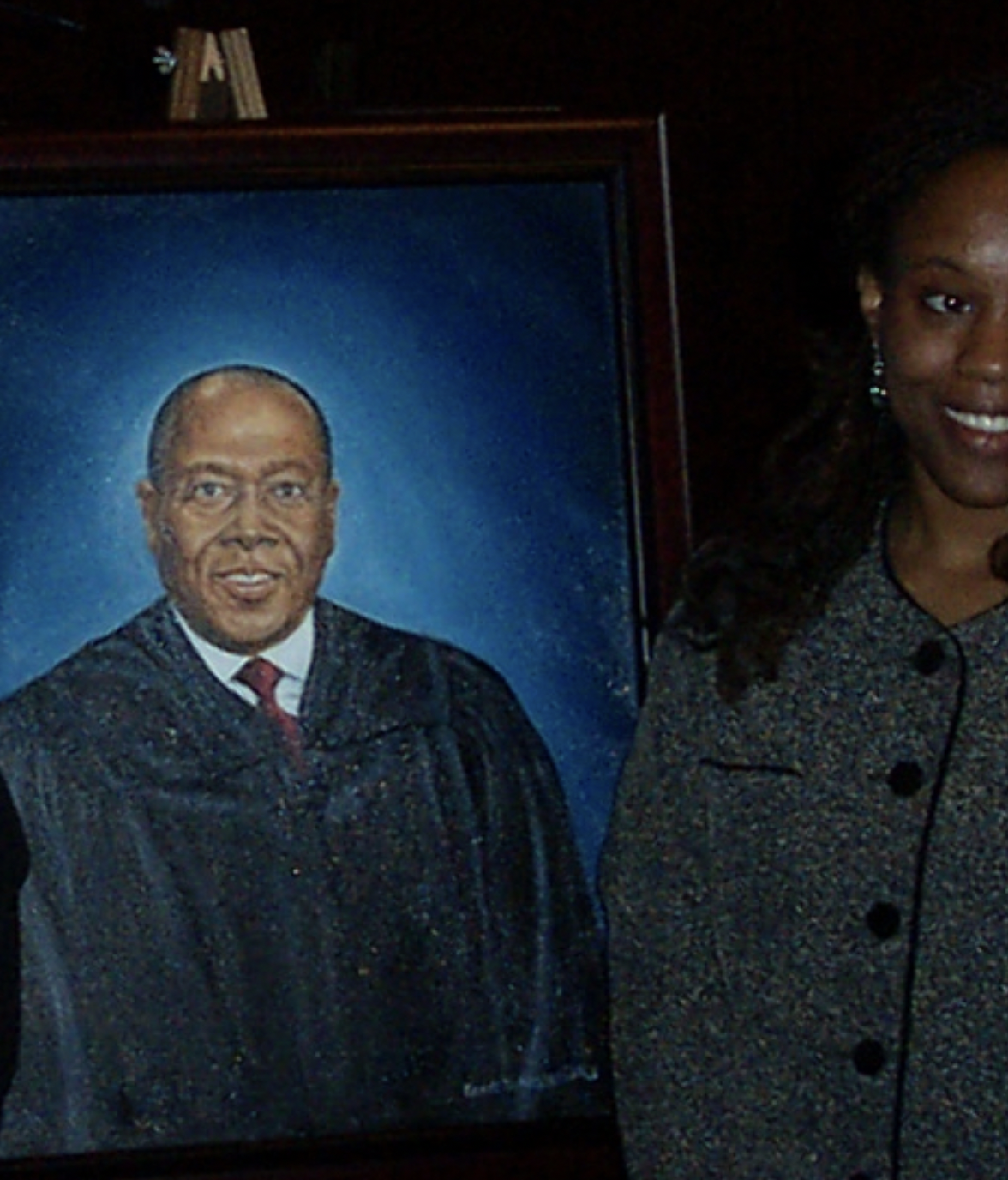
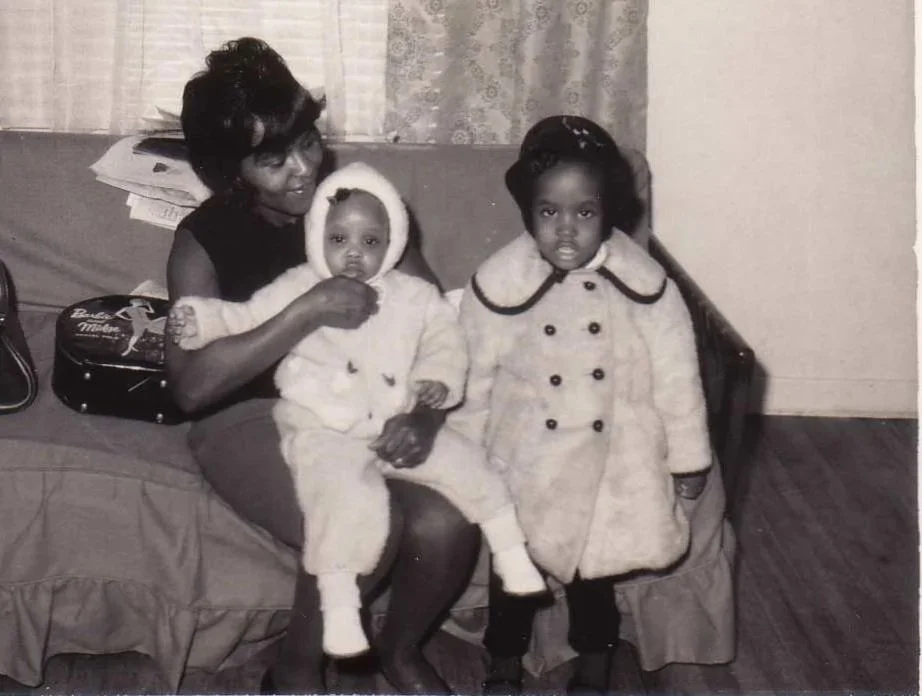
Yup, I admit it! I am a Buppie Princess. (Buppie = young, upwardly mobile, black professional). My father was a very prominent African American lawyer, then judge, then Appellate Court Justice and my mother was a teaching assistand and an office administrator at city hall. And so, I was raised in a solidly middle class black family, who lived in a predominantly-white neighborhood. Typically, I was the only black child in my classrooms, that is until the busing act came into effect. I learned to navigate diversity in race and class from a very young age.
-
Bridgeport, CT, my hometown, was a city that while I was growing up was transitioning from being a thriving steel-industry town to becoming very economically depressed when the steel mills and other factories closed.
Every year, like clockwork, race riots would break out in the springtime. It was almost an expected event. It was the Portuguese and the whites fighting the Puerto Ricans and the blacks. As a straight-A student headed towards being valedictorian of my class, I strategically kept my distance from the skirmishes. However, this experience made me see how cultural hatred can fester and grow and had a lasting impact on my thirst for justice and right-ness for all people.
-
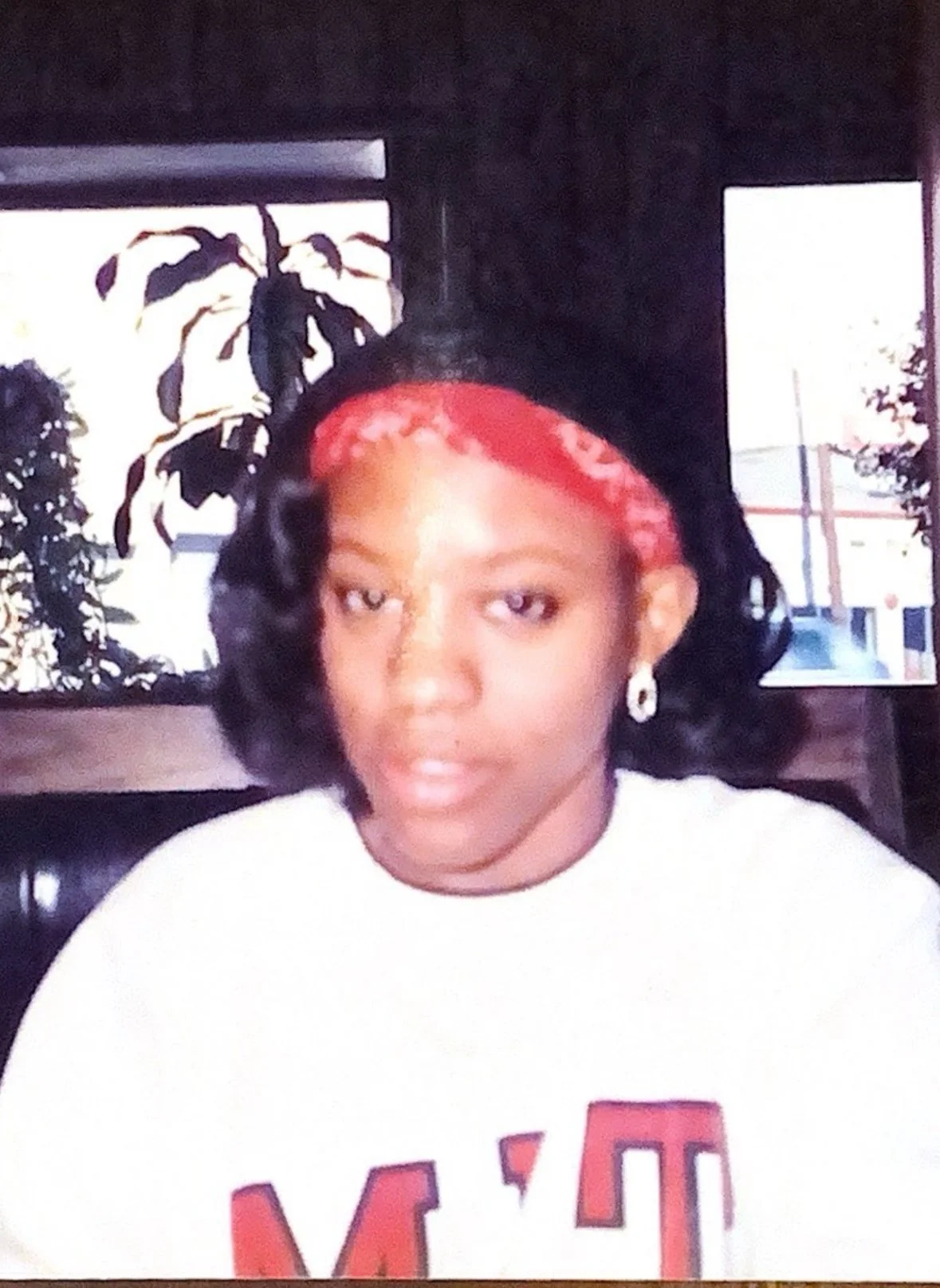
After high school I went on to attend the prestigious Massachusetts Institute of Technology to study architecture. Everywhere I went, I wanted people to know I went to MIT. It validated my worth and proved that I was not your stereotypical black woman (read: lazy and poor). In fact, whenever I went off campus, I would intentionally wear MIT gear. I was highly invested in what anti-racist scholar, Ibram Kendi, calls “uplift suasion” or trying to convince people who hate me to validate my worth as a human being in spite of my skin color through hyper-achievement. One evening, my roommates and I were walking off campus right across the river in Boston. I, of course, was wearing my MIT sweatshirt. A group of rowdy white boys drove by, and one of them yelled out the window calling us the n-word and saying “MIT sucks!!” This caused me to dig my heels in and grew the gritty determination I had to succeed in spite of racism.
-
My mom suffered with cancer all through my high school years and she died my first semester at college. I did not know how to process this grief and in fact became very angry at her. How could she be so weak? How could she leave me to fend for myself without a mother? I did not feel compassion for her during her illness even refused to cry at her funeral! I had gotten straight A’s from kindergarten through 12th grade and was determined to continue to present as perfect. But the guilt of that sin weighed heavy on my soul. For years I carried that burden. The straight A’s became almost a constraint on my humanness. It was not until I confessed this guilt to Jesus himself, believing that He died for my transgressions on the cross, and receiving the grace of his forgiveness, that I was set free. (Hallelujah!!) And so, even though I am a liberation theologian and social justice preacher, I fully believe in personal soul salvation and personal piety.
-
However, God used some very conservative channels to get me saved. And as a baby Christian I stayed in those circles, quite enamored of the conservative evangelical world. I became very hopeful that the body of Christ was the answer to racism and inequality in America. I felt so free and presumed that my white brothers and sisters felt that freedom from earthly categorizations and castes as well. Because the bible declares that we are all one in Christ Jesus and vividly assures us that each person is of sacred worth to God, my mind reasoned that therefore Christians should be innately anti-racist. This prompted me to write my first book, The Sin of Racism: How to be Set Free, which was published in 2006.
-
Things shifted for me in 2008. When Barack Obama became president of the United States, I noticed the vitriolic response from the very conservative Christian radio personalities and groups that I had been following. I began to pull away from that identity and those teachings. In 2010 I began seminary, which is sometimes jokingly called “cemetery” because it adds a heavy dose of academia that can threaten to kill the spiritual vibe. In seminary, I was introduced to liberation theology. I struggled quite a bit as the teachings did not seem to center the crucifixion and resurrection of Jesus, but more so the life of Jesus as resistance to injustice and power abuse. During that time, as I read the entire bible, I discovered that God indeed does have “a preferential option for the poor,” as South American liberation theologian, Gustavo Gutierrez, proclaimed. My heart was opened to other liberation theology greats such as James Cone, Elsa Tamez, and Howard Thurman. But I was still concerned that they were only about social justice and were missing the soteriology, or soul salvation, piece. And so I remained hesitant to be all in, until one professor cleared it up for me. . . .
-
My first full-time appointment was cross-racial. One month in to shepherding this predominantly white congregation, Michael Brown was shot and killed by police in Ferguson, Missouri. Massive protests erupted and that town was set ablaze (literally). A month after that, Baltimore, which was nearby, was also on fire because of protests of the Freddie Gray murder. I was compelled to preach about racial inequality and the reasons behind these protests. We also had a series of after-church discussion about this topic.
At my next appointment, which was multi-cultural, another series of high-profile police shootings occurred in rapid succession, beginning with Alton Sterling. Once again I found myself preaching on this topic and compelled to share my perspective on race in America as it relates to our faith. I began to understand why liberation theologians said that Jesus’ murder was politically motivated. Jesus went around to those who were oppressed, distressed, and cast out and showed them how much God loved them and told them God’s kingdom was with them!
Thankfully, by the time the George Floyd revolution came about, I was serving a historically black congregation. God has allowed me to not only preach liberation integrated with salvation, but also to do good works towards mercy and justice.